

Fund Selection — April 2026
Panel

Benjamin Hamidi
Senior portfolio manager, ABN AMRO Investment Solutions.
Based in: Paris, France
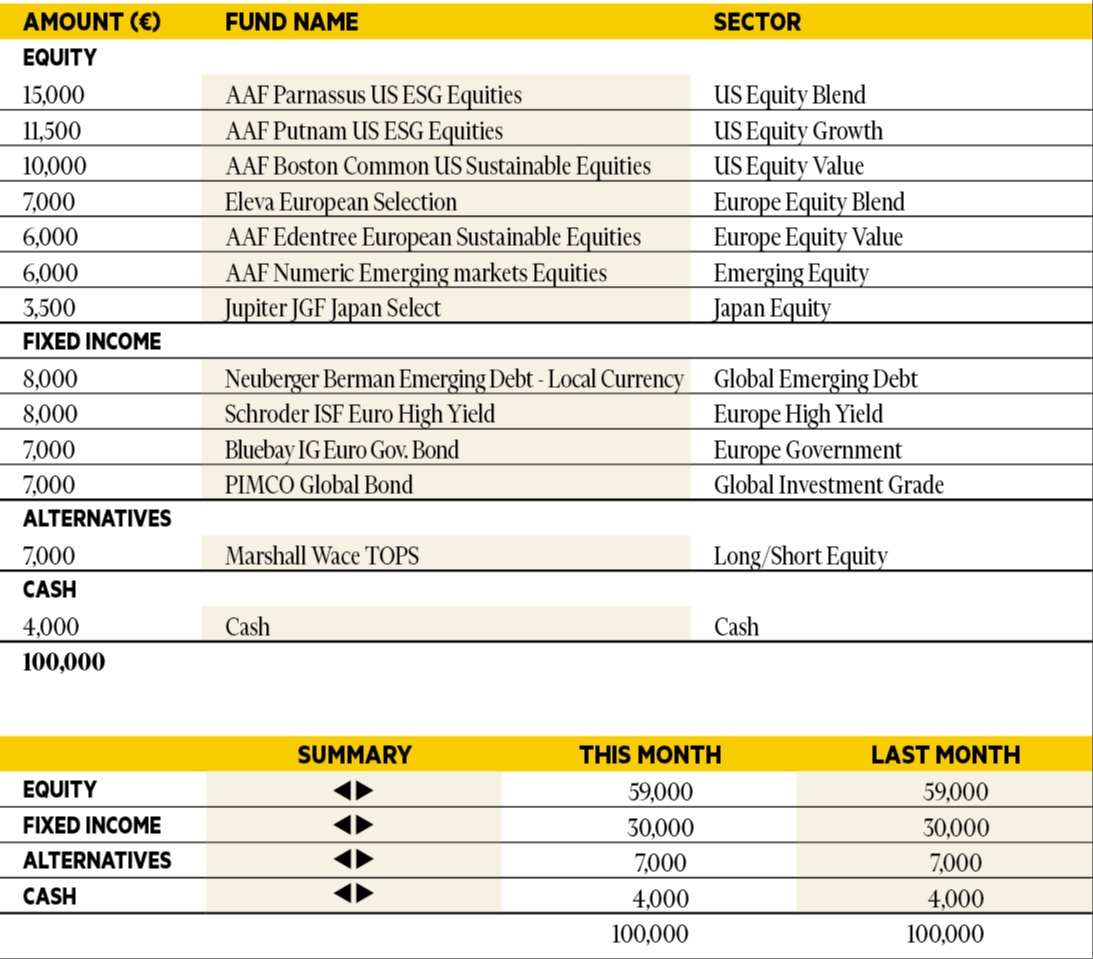
“The conflict between the US, Israel, and Iran continues, with Iranian retaliation disrupting the region and the Strait of Hormuz. The base case remains a short-lived conflict. At this stage, markets continue to show resilience, buoyed by the view that this is a temporary energy shock and by the mitigation measures that have been put in place. Central banks are therefore expected to remain cautious, prioritising growth over tightening policy in response to supply- driven inflation. In this context, a balanced asset allocation, with a moderate overall duration, remains the preferred strategy. However, downside risks evolutions are monitored and prolonged high oil prices would significantly alter the outlook.”
Luca Dal Mas
Senior fund analyst, Aviva Investors.
Based in: London, UK
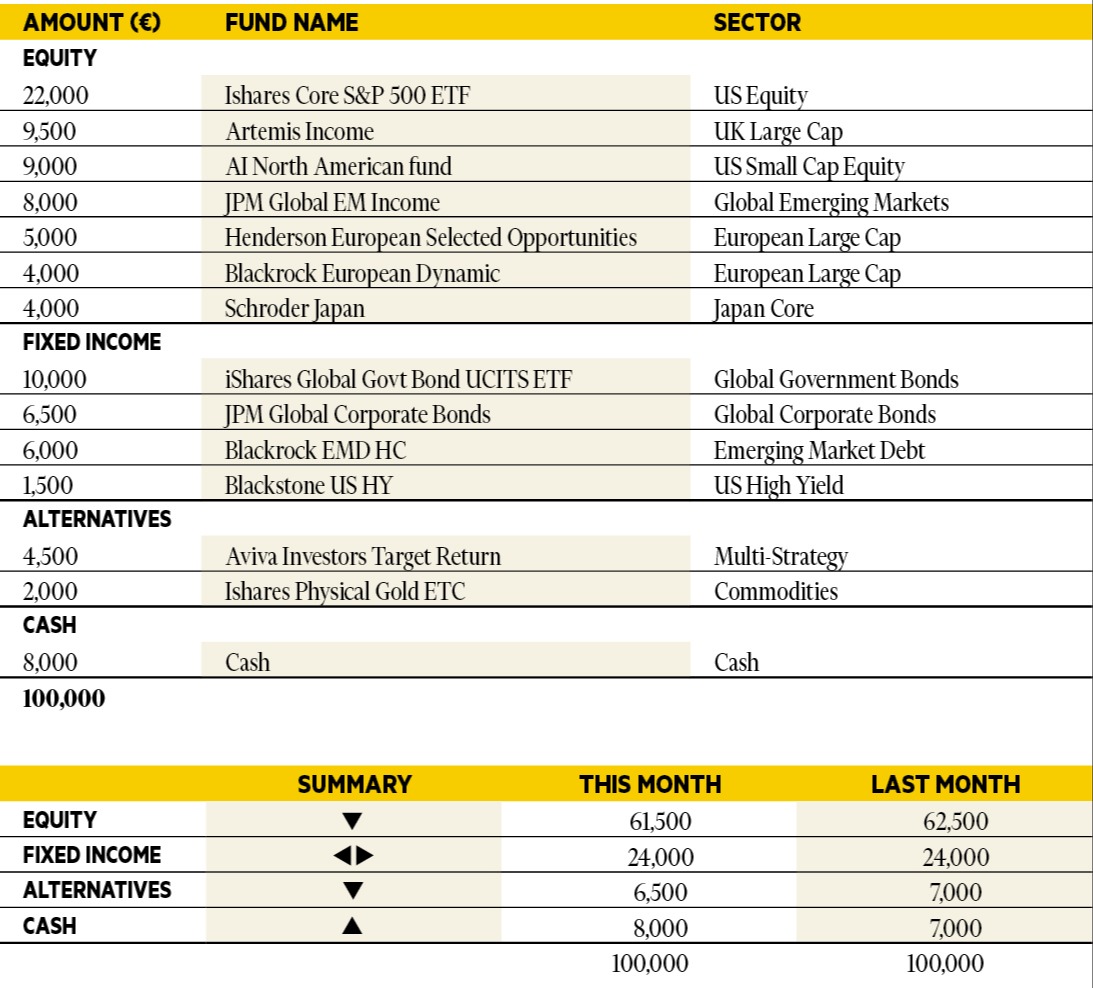
“The month was dominated by a geopolitical‑driven shock following the escalation of the Iran–US–Israel conflict and the prolonged closure of the Strait of Hormuz, which disrupted roughly one‑fifth of global oil and liquified natural gas flows, and pushed prices sharply higher. The surge in energy costs reignited inflation risks and materially worsened the growth outlook, prompting markets to reprice central bank paths more hawkishly. Equities reacted negatively to renewed upward pressure on real yields. This disproportionately affected long duration growth stocks, leading to a clear factor rotation away from momentum and quality. Fixed income volatility was mainly concentrated in duration rather than credit, with investors continuing to differentiate between macro uncertainty and fundamental balance sheet risk. In portfolios we have trimmed our European exposure while maintaining a balanced stance.”
Jorge Velasco
Director of Investment Strategy, CaixaBank Private Banking.
Based in: Madrid, Spain
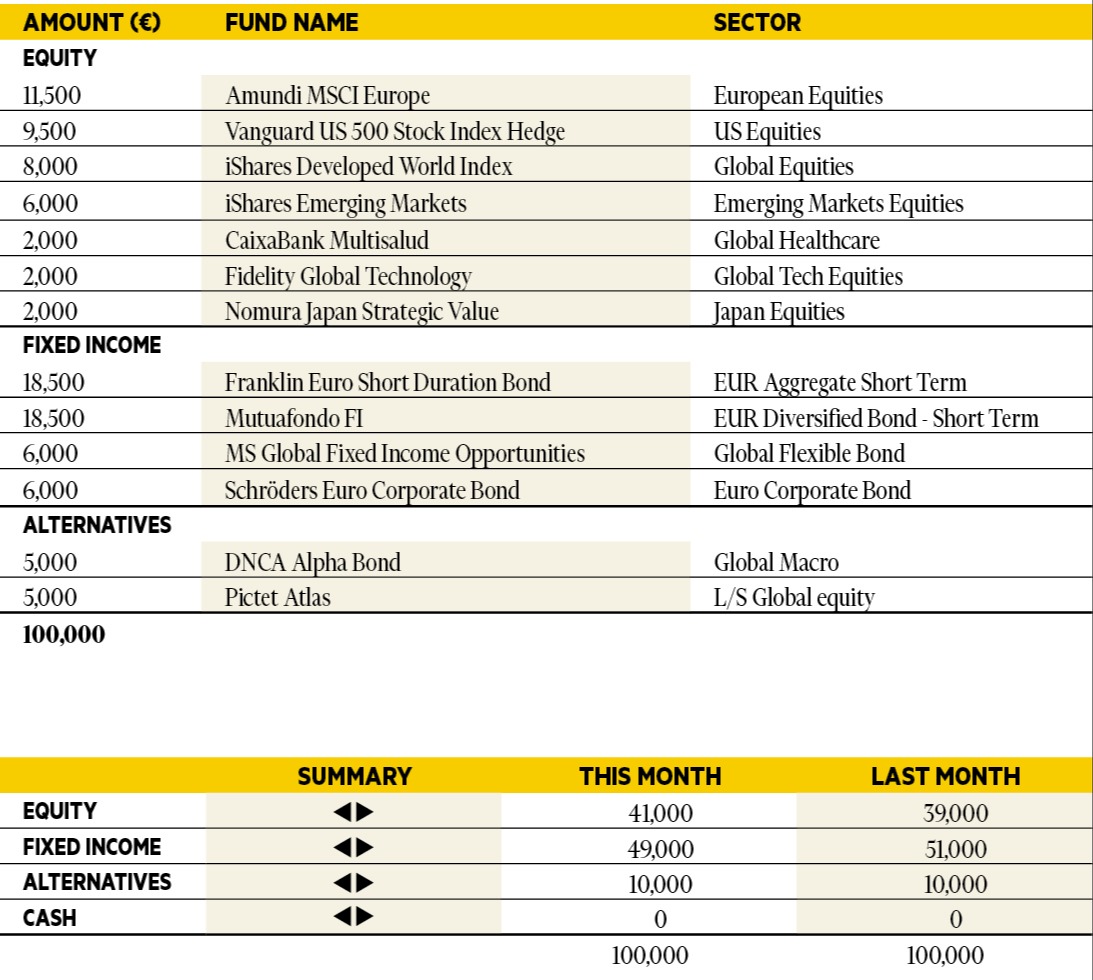
“The most important element in asset allocation is diversification of equities, keeping US exposure below its weight in the indices. When it comes to risk-taking, we continue to believe that caution and tactical positioning (even hypertactical positioning) are appropriate. In the absence of a stable framework, with a central scenario that is almost as likely as the alternatives, the key is not to anticipate events but to preserve the ability to react. As the war continues, the attractiveness of assets linked to the economic cycle diminishes, and we will need to adjust our portfolios. In the event of a rapid de-escalation, the relief would be reflected first in Europe and in more cyclical assets.”
Silvia Tenconi
Multi-manager Investments & Unit Linked, Eurizon Capital SGR.
Based in: Milan, Italy
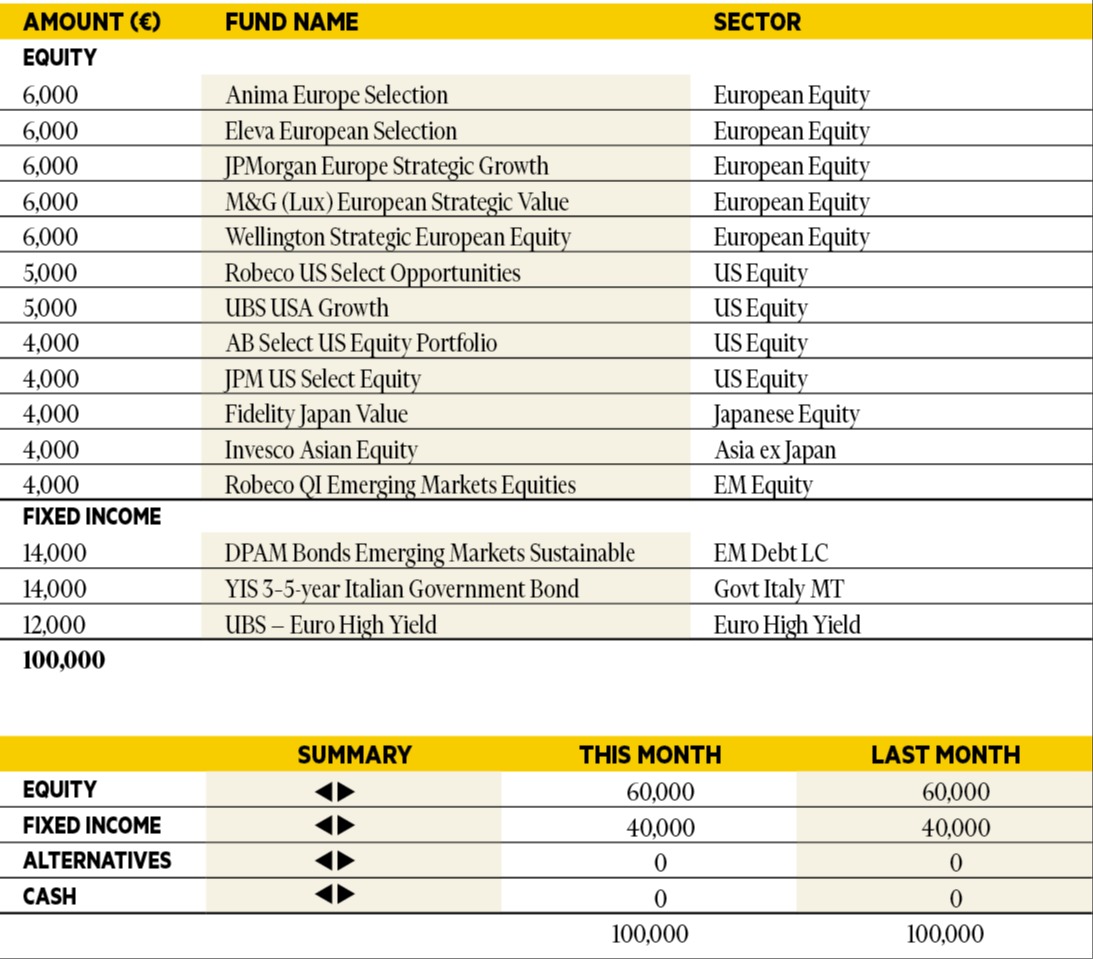
“In March the portfolio’s performance of the was negative. Government bonds, credit and equities all fell, following the developments in the Middle East, with the US and Israel declaring war on Iran. Inflation is rising and central banks are monitoring expectations to get any hints on medium to long-term price dynamics and growth. In times like these, the best advice we can give you, and to ourselves as well, is to keep calm and wait for clarity before taking any action on your portfolio: outguessing geopolitics is not a sound investment policy.”
Richard Troue
Fund Manager, Hargreaves Lansdown Fund Managers.
Based in: Bristol, UK
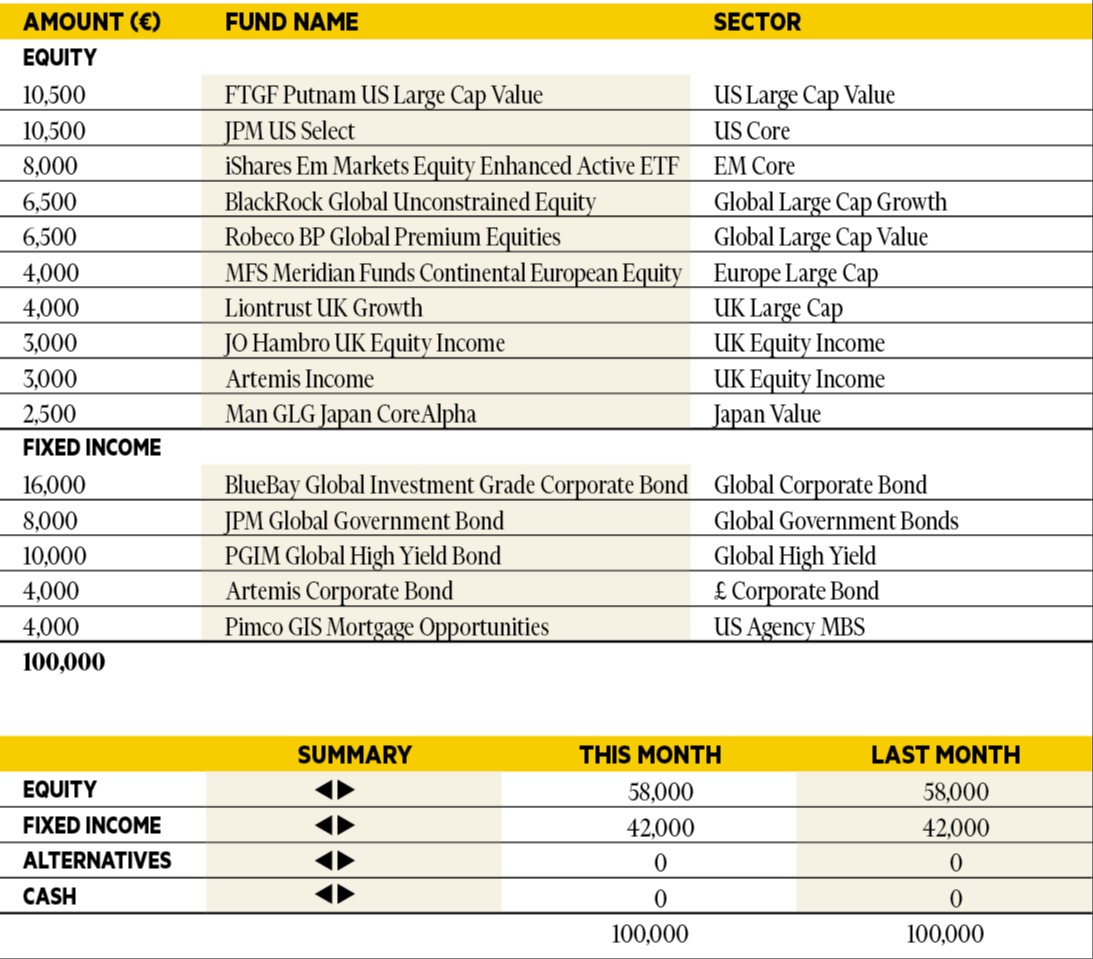
“Markets continue to yo-yo based largely on whatever has just come out of US President Donald Trump’s mouth. Therefore, I remain wary of making significant portfolio changes. We have a well-diversified portfolio across global equity and fixed-interest markets. The higher-quality, more defensive elements are doing their job so far, and the fixed-interest element has provided some cushion to falling share prices, albeit sustaining some losses. While some areas are starting to look interesting — US equities, UK mid-caps, and global rates — the outlook is too uncertain to convince me to pounce. When geopolitical uncertainty is so high I prefer to wait on the sidelines, even if this involves sacrificing some opportunities.”
Antti Saari
Chief Investment Strategist, Nordea investments.
Based in: Copenhagen, Denmark
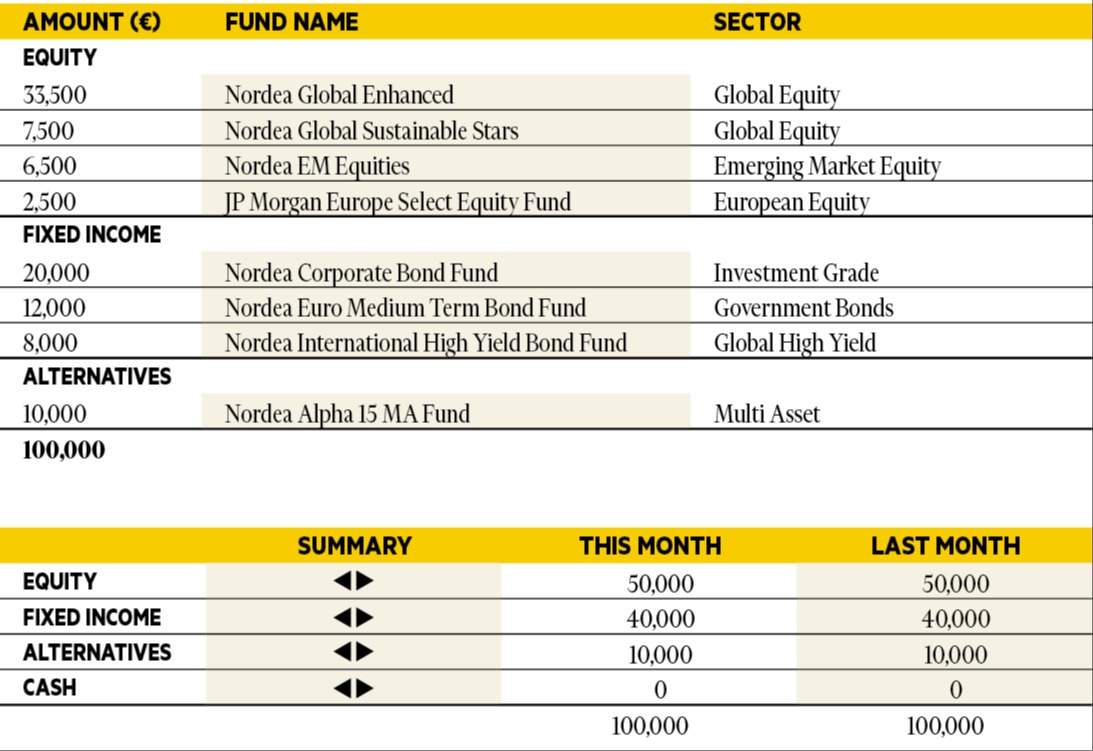
“Global equity prices declined in March. The closing of the Hormuz Strait took oil prices substantially higher, increasing investor concerns about inflation and growth. As long as the situation lasts, these worries will persist. Once investors get a hint of an improvement, equities can turn sharply higher, which has been evident several times lately. In our base case, the upturn is stalled but not cancelled as we believe there is an overwhelming probability that a solution will be found. The effect on growth and earnings should therefore be manageable, but it all depends on what happens with energy prices. We continue to recommend an overweight in equities versus bonds.”
Didier Chan-Voc-Chun
Head of Multi-Management and Fund Research at Union Bancaire Privée (UBP)
Based in: Geneva, Switzerland
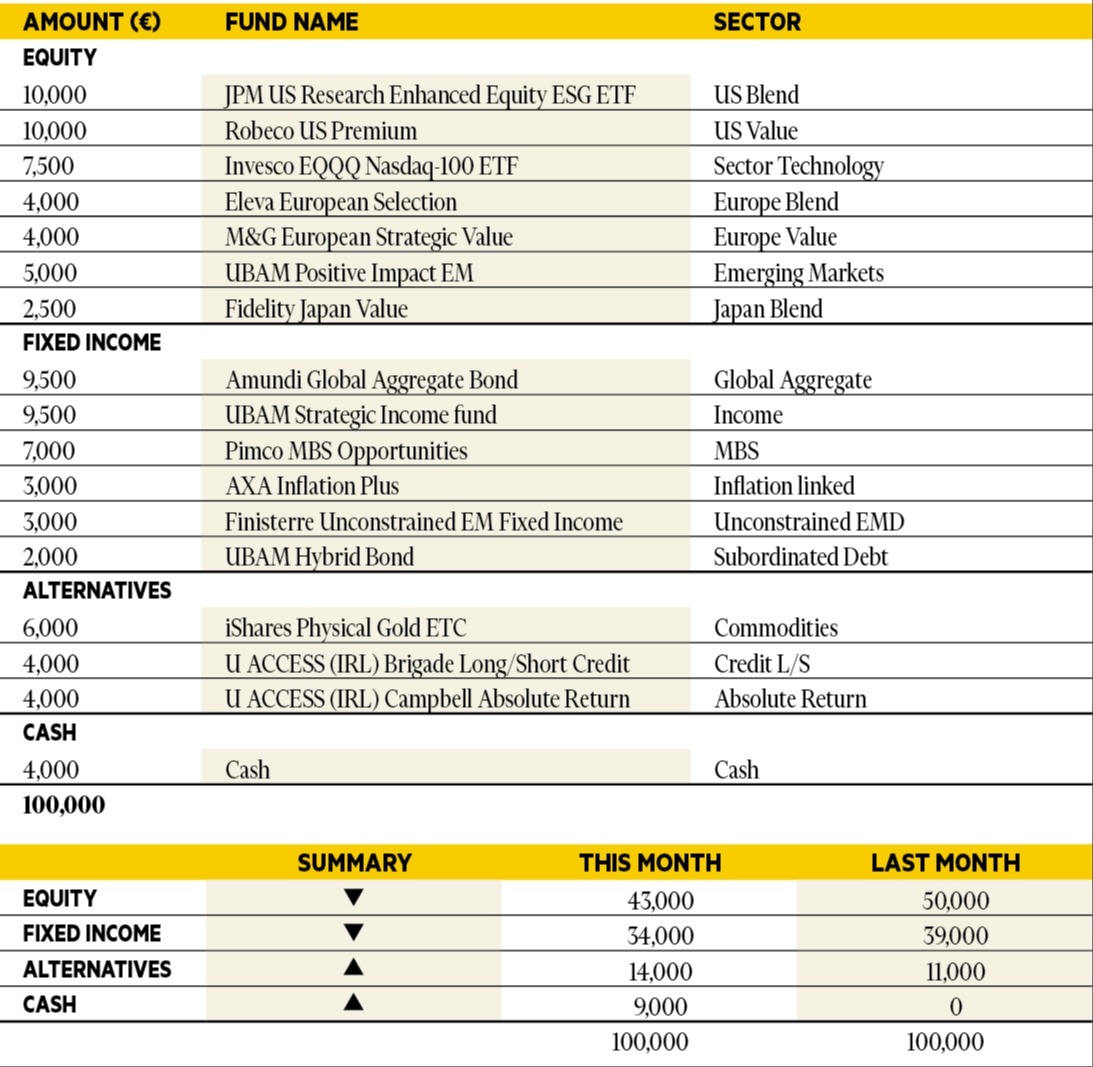
“Geopolitical tensions spiked as the conflict in the Middle East disrupted oil and gas supplies, sending global stocks and bonds lower as markets fixated on upside inflation risks over growth. Popular pre-conflict trades unwound, with gold and emerging-market stocks falling while the US dollar rallied. Over the month, we trimmed the overall equity exposure to limit drawdowns, but selectively added US technology names after months of underperformance, given the sector’s resilient earnings and relative insulation against geopolitics. In fixed income, we cut exposure by reducing AT1s in early March after spreads hit all-time tights and looked vulnerable to a volatility-driven repricing. We also reduced EM credit and turned more cautious on EM local debt, given geopolitical risks, potential energy-shock spillovers, and likely near-term USD strength pressuring EM currencies. Last, we increased exposure to gold on the expectation of geopolitical risks stabilising and real-rate pressures easing, which should support a renewed upward trend; we are also holding more cash to manage risk and maintain flexibility.”


